Explore the main gemology tools.
Navigate through the core instruments used in gem identification, then continue with advanced laboratory methods.
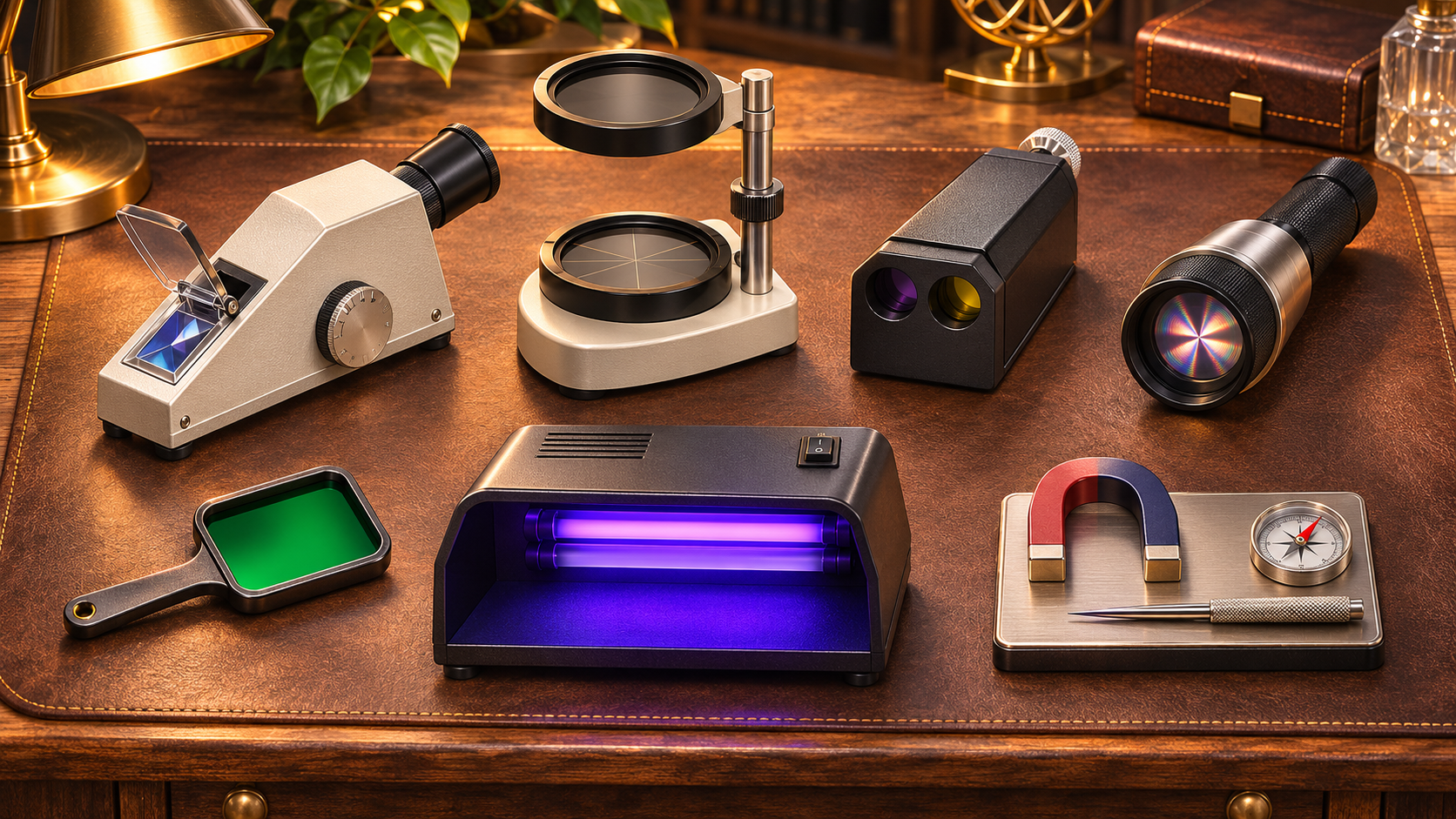
Gemology instruments
Visual, optical and physical tests explained with instrument photographs and independent scientific illustrations.
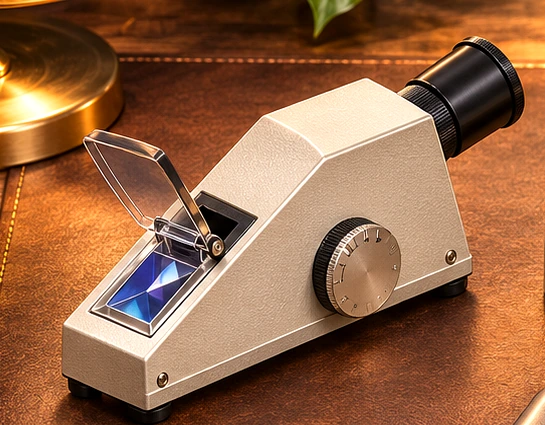
Refractometer
How to use a gemological refractometer to measure refractive index, detect birefringence and interpret common reading limitations.
Open guide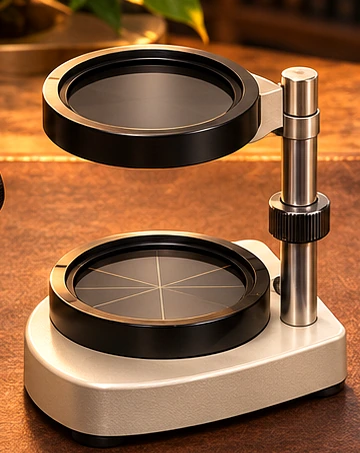
Polariscope
Learn polariscope principles: crossed polarisers, single and double refraction, interference, strain and gemstone identification.
Open guide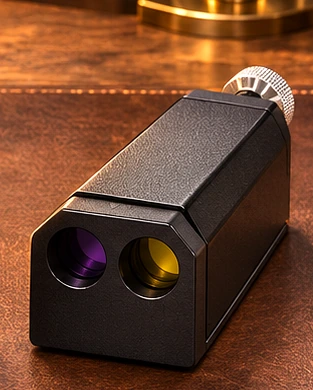
Dichroscope
Understand how a dichroscope reveals pleochroism, dichroism and trichroism in anisotropic coloured gemstones.
Open guide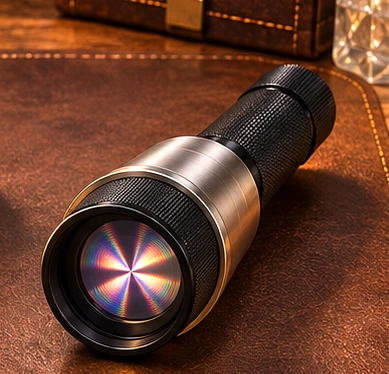
Conoscope
How to read uniaxial and biaxial interference figures using a conoscope with crossed polarisers.
Open guide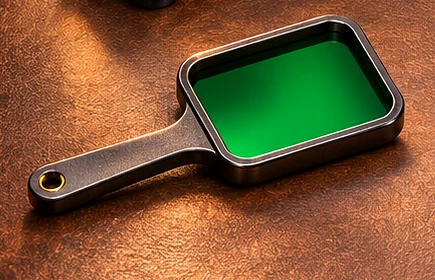
Chelsea Filter
Understand the Chelsea filter, its spectral transmission, lighting conditions and limitations in gemstone screening.
Open guide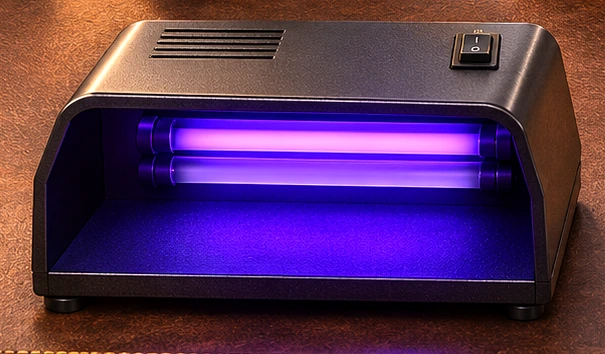
Ultraviolet Fluorescence
Explore gemstone fluorescence under long-wave and short-wave ultraviolet light, and learn safe observation practices.
Open guide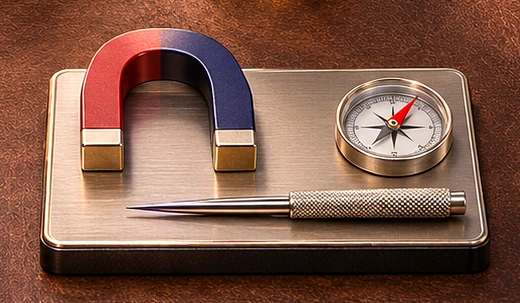
Gemstone Magnetism
Learn how gemstone magnetism relates to trace elements, garnets, magnetic testing and refractive index comparisons.
Open guide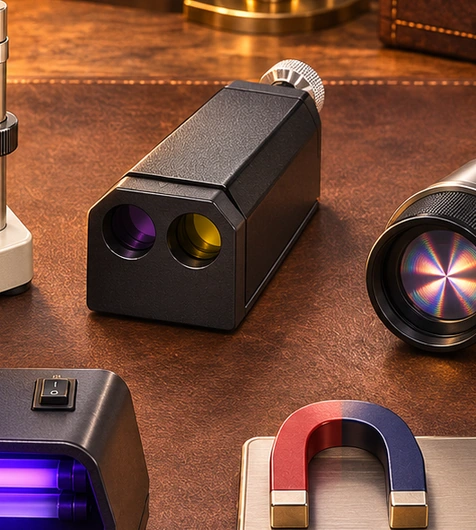
Other Gemology Tools
Explore gemstone specific gravity measurement, thermal conductivity, simple spectroscopes and complementary gemological tests.
Open guide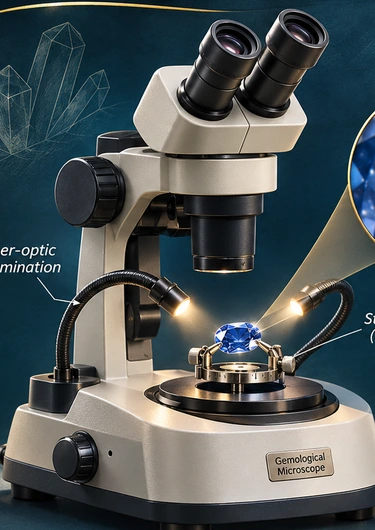
Laboratory Gemology
An introduction to Raman, FTIR, UV-Vis, photoluminescence, X-ray fluorescence and other gemological laboratory methods.
Open guideObserve. Measure. Interpret.
Gemstones can look alike while differing profoundly in optical character, composition and physical properties. Use the right instrument, document the response and check the evidence with complementary methods.
Start with refractive index“The finest observations begin with curiosity and become reliable through measurement.”